Real People
Why humans are a critical part of the AI shopping future
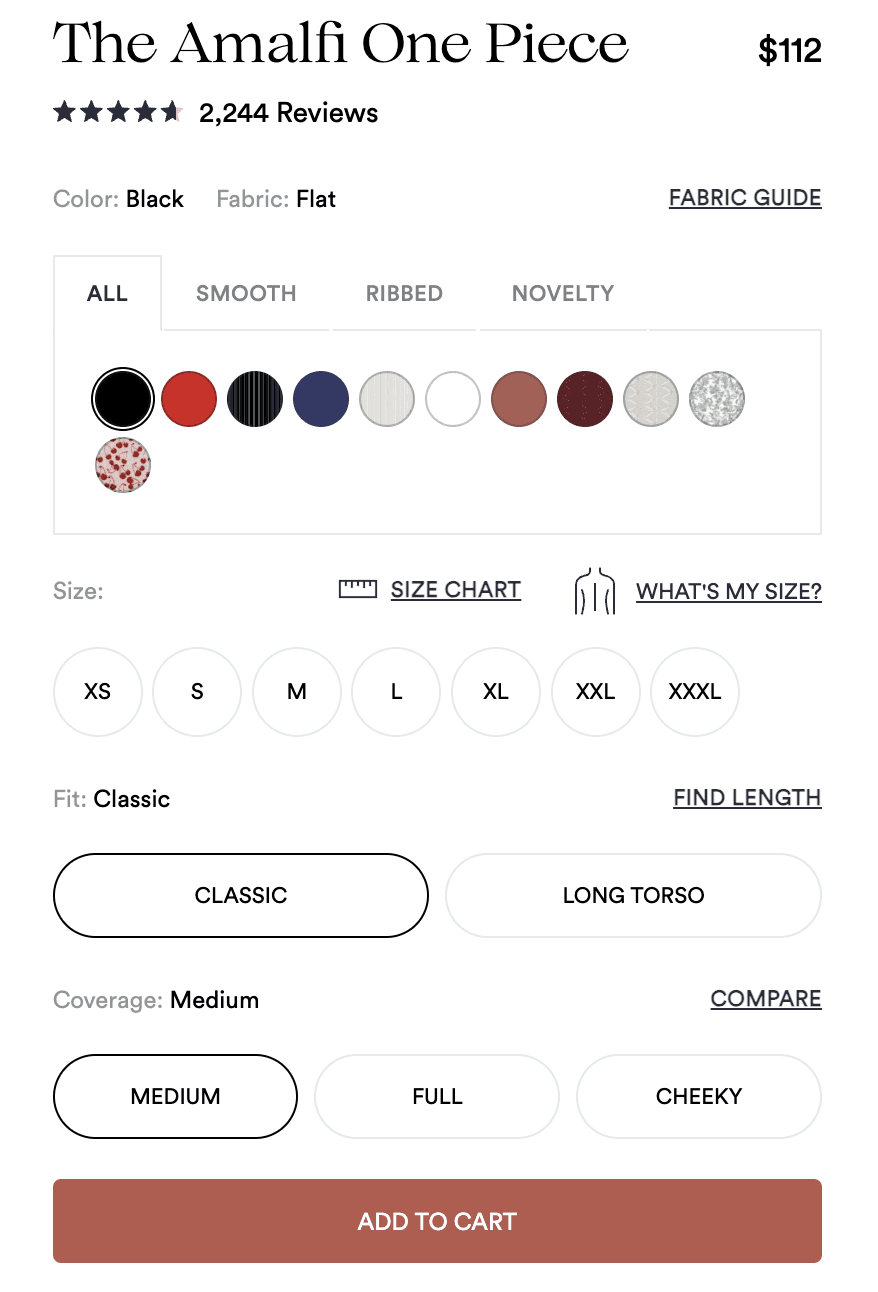
E-commerce was built to help real people purchase real products in a streamlined, convenient manner. But in the two decades since the dot-com boom, online shopping has failed to replicate the merchandising and interactive experiences of being in a store.
For one, product detail pages have remained static since the dawn of e-commerce. Products photographed on white backgrounds leave you wondering whether a desk will fit in your new apartment or how the latest stroller model transforms into a carseat. Who hasn’t ordered a tube of sunscreen only to receive a tester, or a storage bin much too small for the linens piling up in the hall closet?
Even major retailers have failed to innovate beyond 2-D image carousels and waterfalls of text that make shoppers dizzy. As a result, nearly 20% of e-commerce purchases are returned, largely because consumers can’t possibly imagine what they’re really buying.
That’s where eko comes in. Brands and retailers send their products to our Capture Factory, where we capture 360-degree visuals, hands-on demonstrations, assembly instructions, and detailed product data.



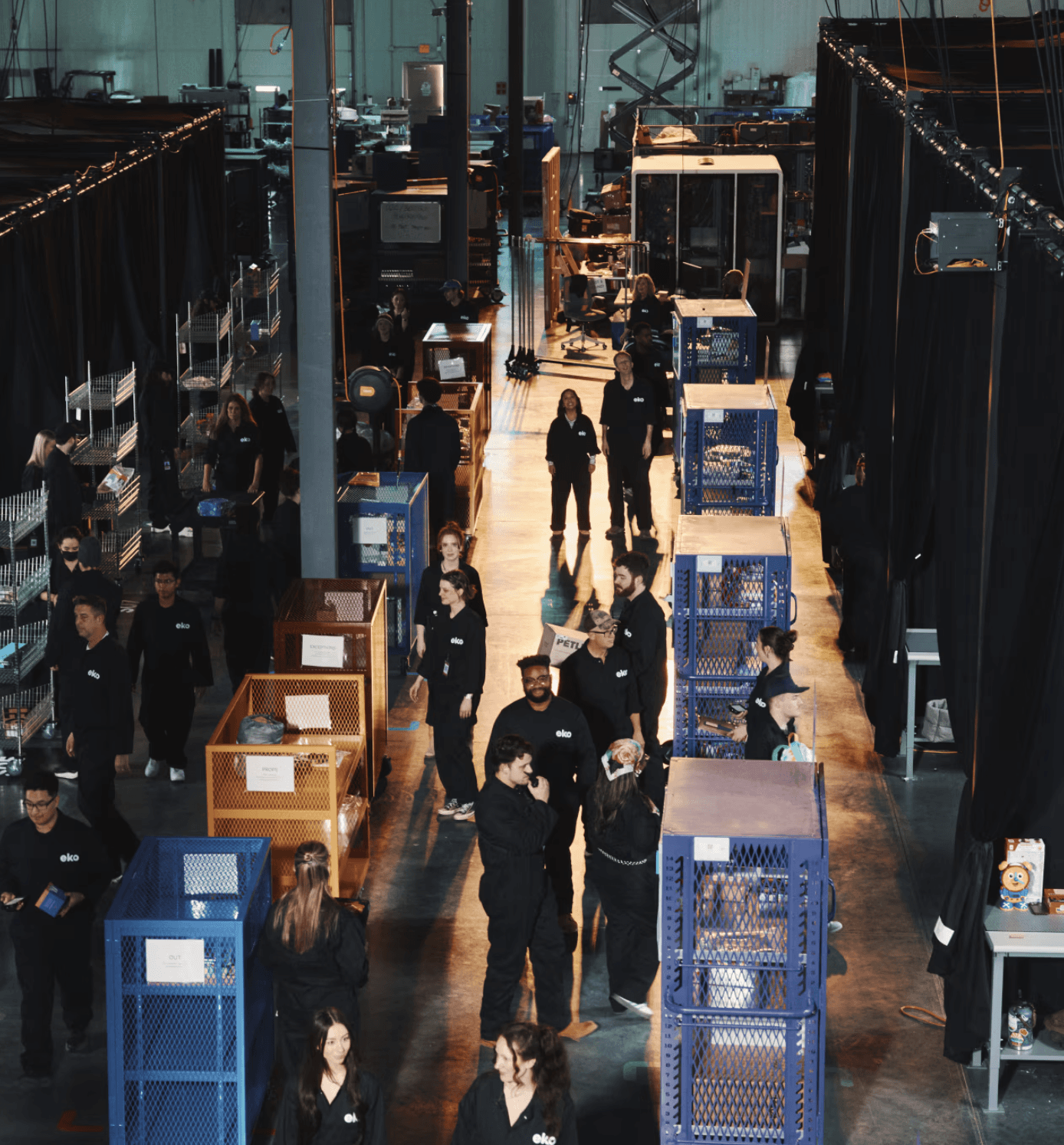
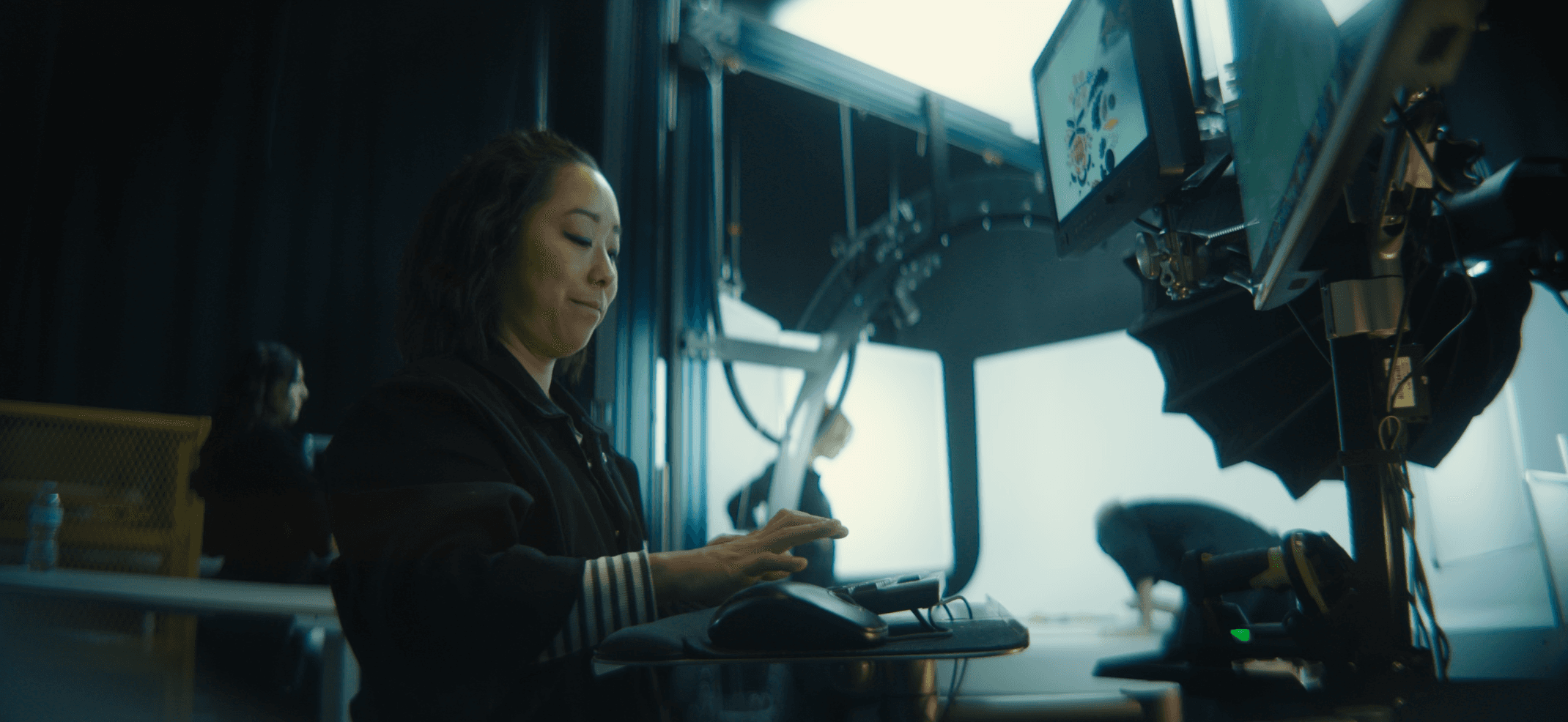
Our team of prop experts, photographers, robot technicians, and creative associates work together to stage and capture thousands of items per day. To show the Real Thing, they use cinematic lighting and precise positioning to show how a dress drapes over a model’s shoulders, or how it really feels to sit on a brand-new futon. The goal is to show how a product exists in the world, not just how it looks on a computer screen.
Retailers can use the eko file to create interactive product detail pages, automate item setup, and generate infinite marketing and branding materials that use actual product visuals.
AI can’t replicate this process. For one, each product is different - and AI navigates towards the mean. AI can show how coffee is generally pouring coming out of a machine, but can't highlight the specific crema of the model being displayed. Real footage is required to show how products look and in the real world. AI-generated product imagery, on the other hand, often turns to slop, lacking product detail or displaying completely inaccurate depictions of real products. Further, AI lacks the data it needs to understand physical goods, including dimensions, mechanics, and texture.
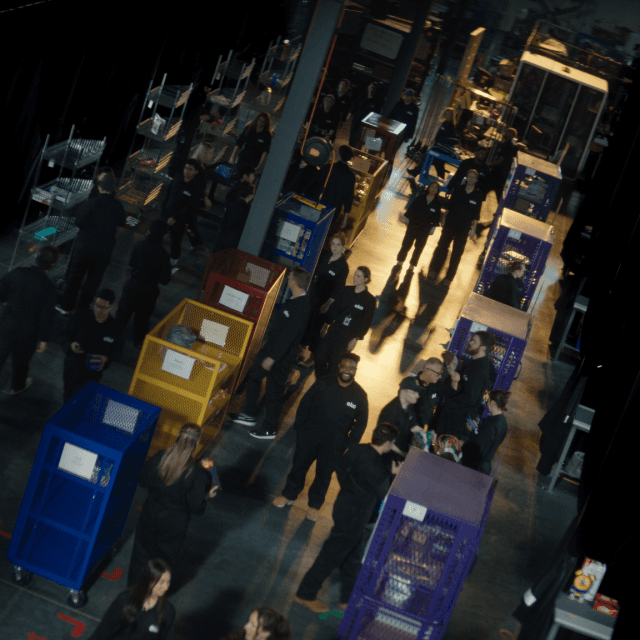
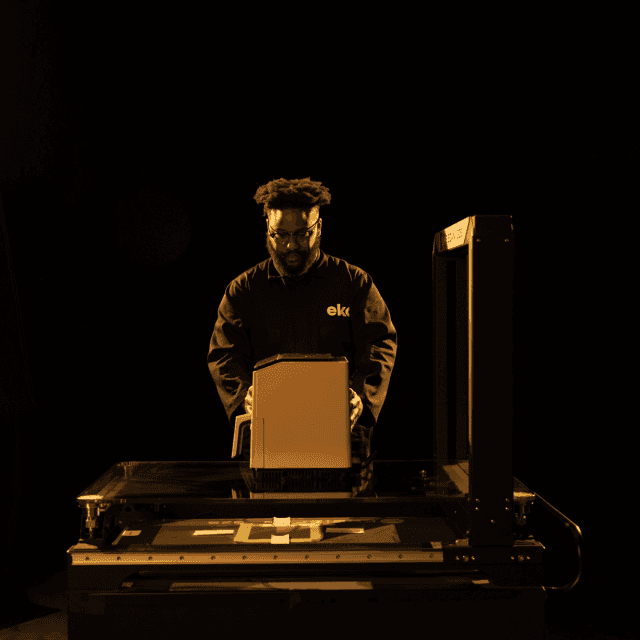

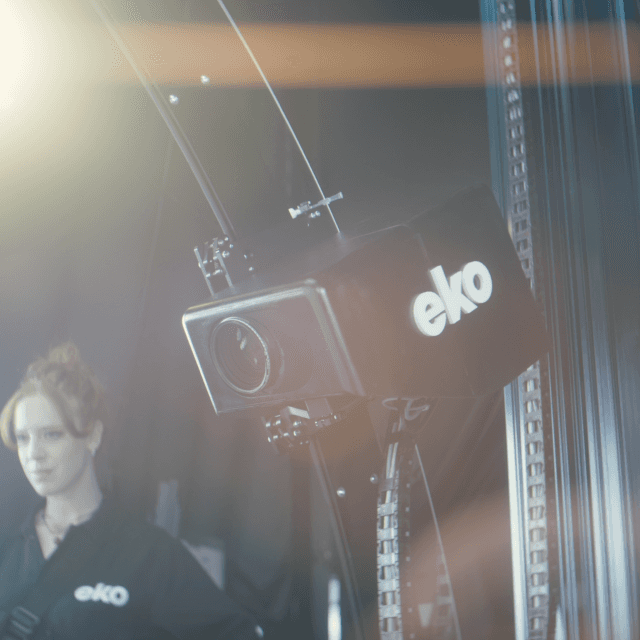
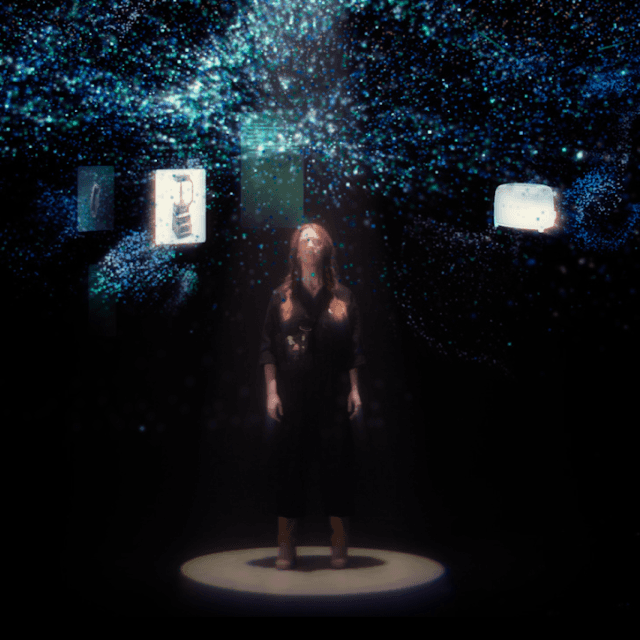
Our human-led capture is revolutionizing commerce in two ways. Comprehensive product visuals are powering interactive galleries that increase sales and reduce returns, making static product detail pages a thing of the past. And the true-to-product data contained in the eko file acts as the foundational data layer agentic commerce needs to accurately represent items that live in the real world.
At eko, robots aren’t replacing humans. Humans and robots are working together to create shopping experiences rooted in the real world.
Learn more about how real people are powering the future of commerce here.