The Challenge
Electronics shoppers depend on visuals to understand not just what a device looks like, but how it functions in the real world. Customers aren’t always tech experts. They often just want to know which laptop is best for their kid who is heading off to college, or which pair of headphones are most comfortable on a long flight.
But many retailers struggle with inconsistent image and data quality across brands, missing angles, limited zoom capabilities, and a lack of lifestyle imagery. In addition, electronics listings are dense with technical specifications, and those specs often come from multiple manufacturers in wildly different formats. When product detail pages are inaccurate or unclear, customers hesitate or make incorrect assumptions.
That uncertainty directly impacts brands’ bottom lines:
More than one in every 10 electronics bought online is returned
*According to Capital One Shopping data.
Electronics also evolve quickly, with frequent updates to specs. Keeping large catalogs current requires constant monitoring and updates, which places a significant operational burden on teams. When inaccuracies slip through the consequences are immediate: customer frustration, negative reviews, and a loss of trust that’s difficult to rebuild.
How to Improve Electronics Image and Data Quality Across E-Commerce
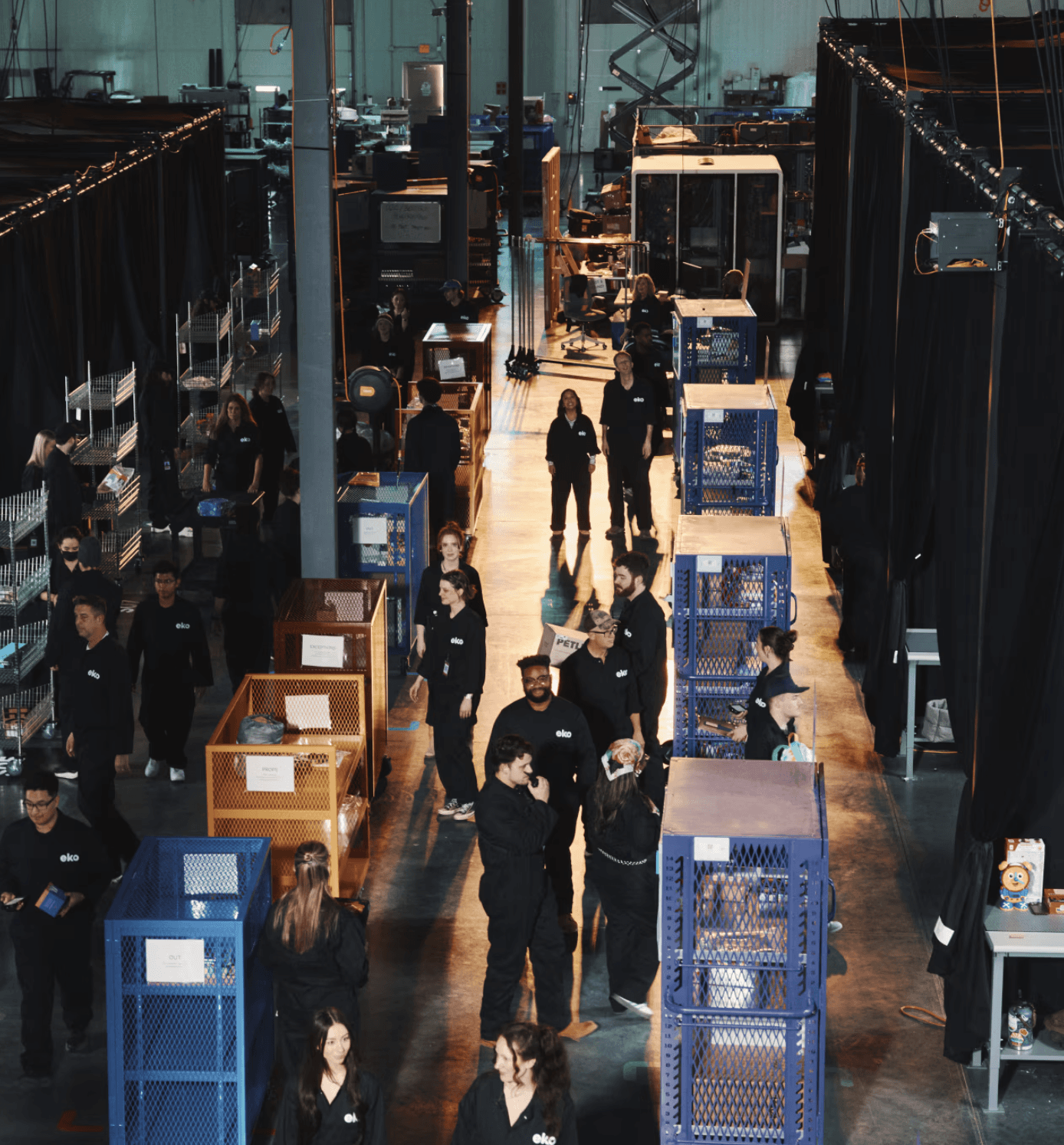
At eko, our robotic cameras capture electronics from every angle, recording visuals, specifications, hands-on demonstrations, dimensions, and more in minutes. That information is stored in an eko file, which powers smart galleries, Visual Response, marketing content, and a media kit for use across platforms.
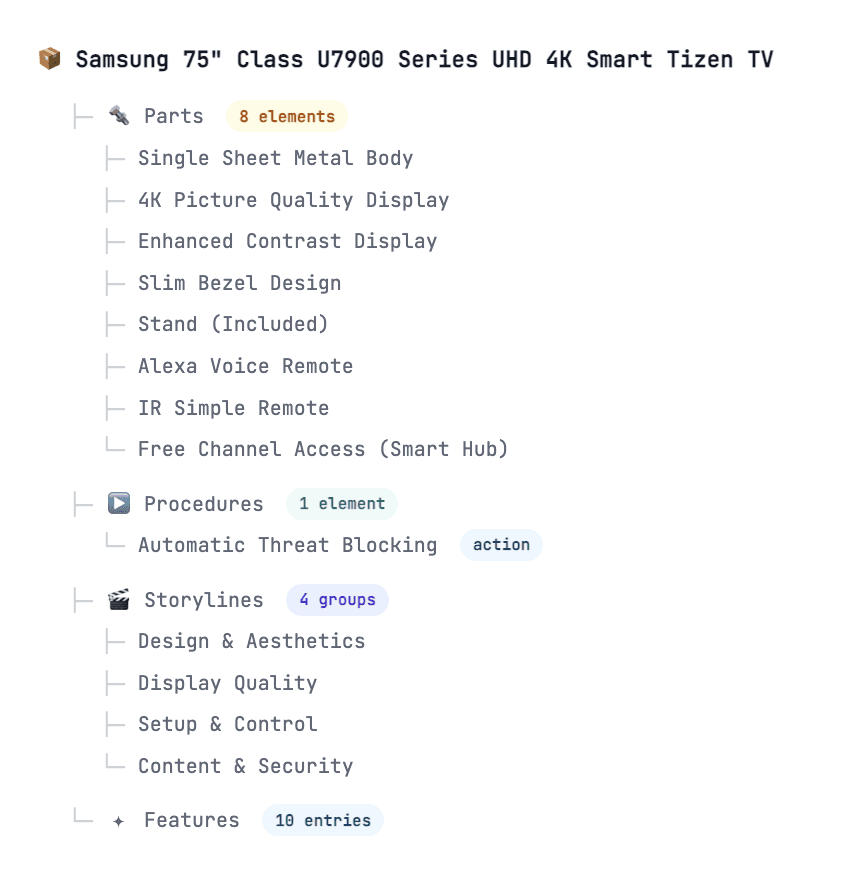
The eko file isn't a folder of assets. It's a structured, machine-readable data model. Feed it to any workflow and it can generate landing pages, comparison tools, marketing campaigns, social content, or anything else you need — automatically.
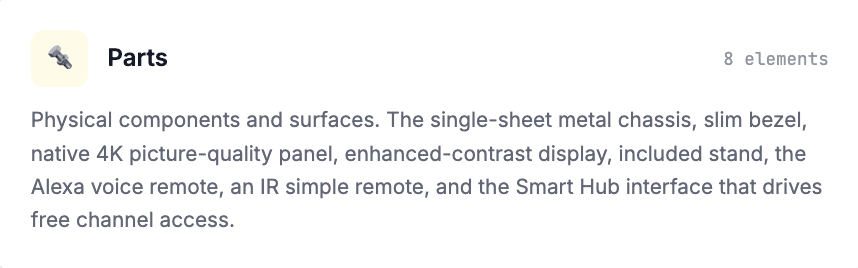



Our interactive galleries help customers see every element of an electronics product, from ports to charging cables to precise dimensions.
eko’s interactive product videos have driven a 4% increase in conversion rates at major retailers and a 4% uplift in GMV per visitor.
The gallery below is assembled from an eko file to present customers with an interactive product experience.
Brands and retailers can also use the eko file to generate product narratives that enhance product pages with visual storytelling rather than a maze of black-and-white text. These automatically generated storylines use content from our in-person product capture to group related elements into a sequence — ready to drop into a PDP, a social post, or an interactive comparison.
The information stored in each eko file also powers Visual Response — a live, interactive shopping experience that allows shoppers to ask questions, get video answers in real time, and see every feature and element surfaced automatically.
Because every asset is structured, typed, and connected, one eko file can power radically different experiences — without re-shooting, re-tagging, or re-organizing anything.
Online shopping shouldn’t feel like a guessing game. We make sure it doesn’t. By turning static product pages into interactive shopping experiences, eko helps customers explore, compare, and purchase with confidence.
Interested in learning more about how eko can transform e-commerce for your electronics brand? Book a meeting here.